If you’re not exactly thrilled by ordinary sightseeing, an Oahu helicopter tour offers a gentler way to go big. You’ll want clear answers on safety, routes, cost, and where you’ll sit before the rotors start thumping. One flight can bring you sheer green cliffs, surf lines, and hidden valleys in under an hour. The fine print matters too, especially if you’re eyeing doors-off photos, and that’s where things get interesting.
Key Takeaways
- Choose a reputable Part 135 operator with strong safety records, recent positive reviews, and clear maintenance, pilot-experience, and weather policy information.
- Most Oahu helicopter tours last 45 to 60 minutes, with full-island loops showcasing Waikiki, Diamond Head, Koʻolau Mountains, Kualoa, and North Shore landmarks.
- Doors-off flights offer better photography and a thrilling open-air view, while doors-on flights are quieter, warmer, and better for nervous passengers.
- Arrive about 60 minutes early for check-in, weight balancing, waivers, safety briefing, gear storage, and harness, lifejacket, and headset fitting.
- Expect seat assignments based on weight balance; book a private charter to guarantee a specific seat, preferred side, or custom route.
Is an Oahu Helicopter Tour Worth It?
Usually, an Oahu helicopter tour is worth it if you want the island’s biggest views in one shot and don’t mind paying for them.
At about $440 per person, a full 60-minute flight is pricey, but you’ll see nearly the entire island without burning a day in traffic. Helicopter tours also reach places you can’t really access by land, like Sacred Falls and wild cliff faces folded into the coast.
If photos matter, the doors-off option gives you clear, thrilling sightlines and that rush of open air. You’ll leave Honolulu Airport after a briefing, wear a headset, and hear pilot commentary over the rotors. Most Oahu helicopter rides include a safety briefing before takeoff, so first-time flyers usually know exactly what to expect. Book earlier in your trip so weather hiccups are easier to fix. It’s polished, memorable, and yes, a little addictive.
How Do You Pick a Safe Oahu Tour?
Always start with the operator, not the view. Before you book a helicopter ride, check operator safety records online and scan recent incident history. Favor Part 135 companies with strong compliance and no recent crashes. Then read lots of current Google and TripAdvisor reviews. You want steady praise for safety, service, and calm customer support. Ask about maintenance schedules, pilot flight hours, and aircraft type if you want extra confidence. Good operators explain pre-flight procedures clearly, with a safety video, harnesses, lifejackets, and two-way headsets. They should also do discreet weight checks so seating stays balanced. Even if you’re eyeing a private tour, don’t skip weather policies. Flexible rebooking or free cancellation lets you wait for better conditions instead of white-knuckling a questionable departure. In general, helicopter tour safety in Hawaii depends heavily on the operator, aircraft maintenance, pilot judgment, and weather conditions.
Which Oahu Helicopter Route Is Best for You?
Once you’ve picked a safe operator, the fun part is choosing the route that fits what you want to see from the air. Your best Oahu Helicopter route depends on your time, budget, and whether you want the big picture or a tighter coastal focus.
- Pick a whole island loop if you want the most complete overview. In about 60 minutes, you’ll cover the island’s full shape and feel.
- Choose Windward + North Shore if you love wilder coastlines, famous surf country, and lush interior scenery without much city edge.
- Go for a 45 to 50 minute coastal option if you want to save money and zero in on one side of Oahu. Many typical routes highlight iconic sights and major landmarks from the air. For photos, doors-off wins. If seat choice matters, book private.
What Will You See From the Helicopter?
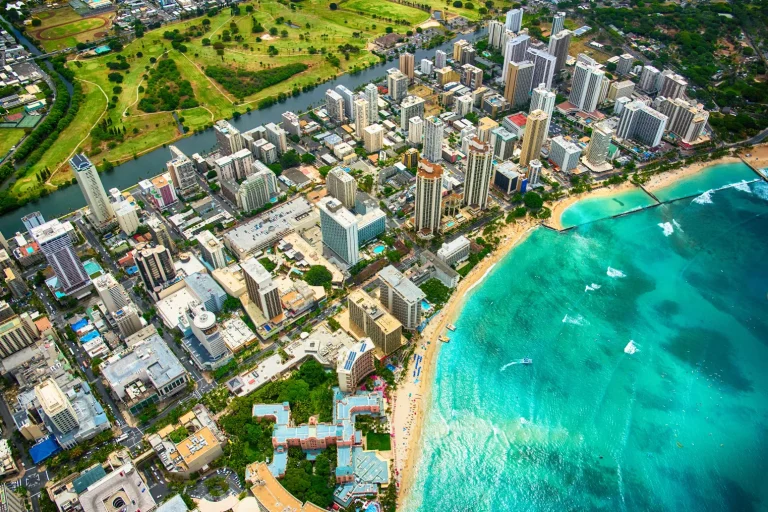
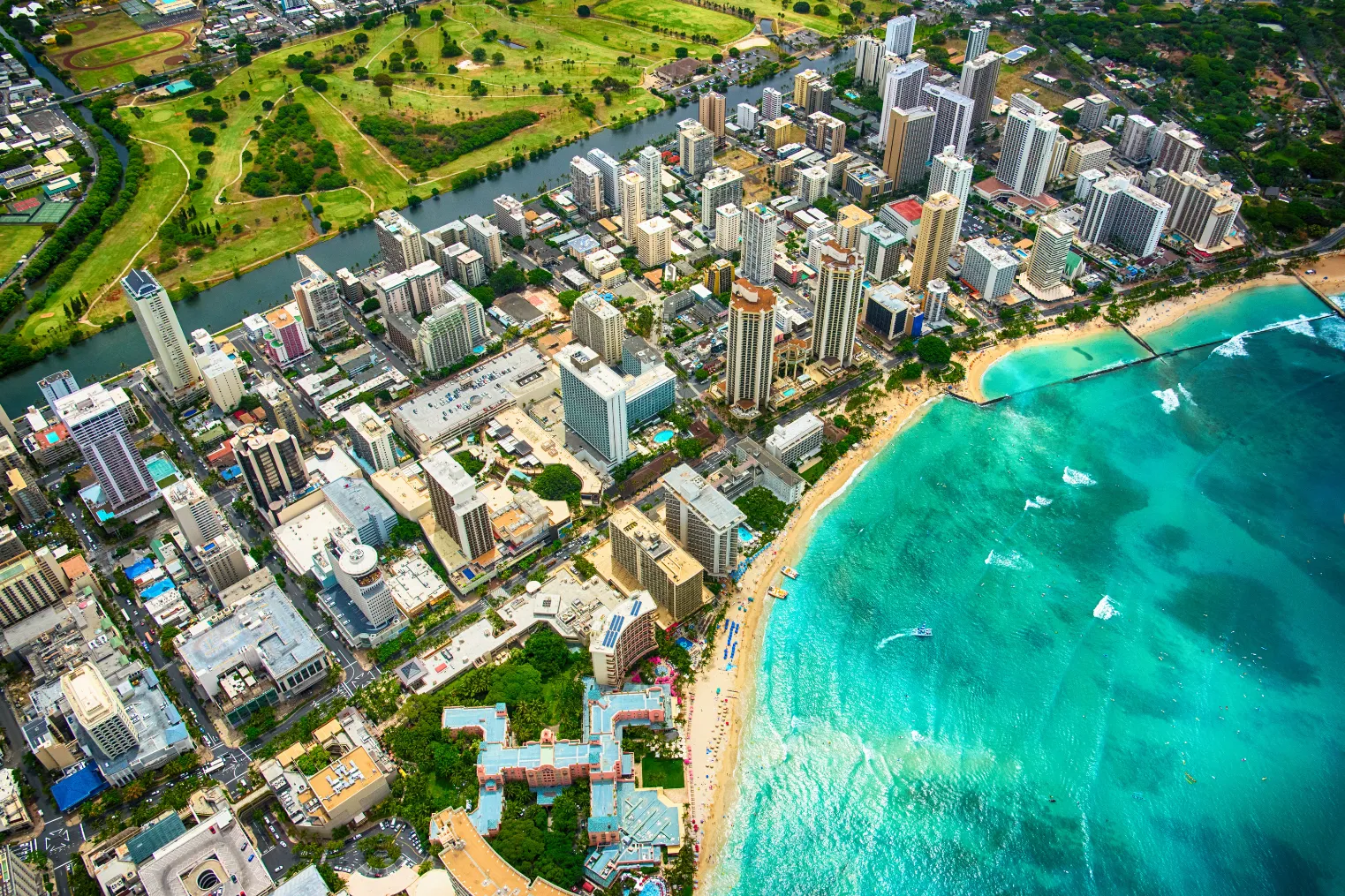
What do you actually see once the skids lift off the pad? You rise over Waikiki and spot Diamond Head Crater, where the island’s most famous cone frames the resort-lined shore. From there, you’ll trace Waikiki Beach, crowded sand, and the shape of the coastline in one sweep. Then the view turns greener. The Koʻolau Mountains ripple inland, Kualoa Ranch spreads below, and the Kaneohe Sandbar glows beside Mokoliʻi. Along the southeast coast, you’ll catch Koko Crater, Hanauma Bay, Halona Blowhole, Makapuʻu Point Lighthouse, and tiny offshore islets. On a longer loop, the North Shore beach scene appears: Sunset Beach, Waimea Bay, sea cliffs, and remote strands that look almost too perfect to be real from your seat in the sky today above Oahu. This Oahu helicopter tour itinerary gives you a sweeping look at many of the island’s most recognizable landmarks from above.
Still comparing Hanauma Bay?
Ask for tour ideas, hotel suggestions, or a simple trip plan that combines both.
Trip Helper
How Much Does an Oahu Helicopter Tour Cost?
You can expect a standard 60-minute Oahu helicopter tour to cost about $440 per person, and that price usually stays the same whether you fly doors-on or doors-off. If you want more control, private flights run around $1,320 for two people or $2,640 for four, which can make booking feel a lot smoother. As you compare tours, check the flight length, look for perks like free cancellation, and remember to budget a small tip for the pilot so your wallet doesn’t get surprised at takeoff. These typical price ranges can vary a bit by operator, but they give you a solid baseline for planning your budget.
Standard Tour Pricing
Start with the headline number: a standard 60-minute Oahu helicopter tour usually runs about $440 per person, and with Rainbow Helicopters that rate is the same whether you fly doors-on or doors-off.
- For one hour in the air, that’s a solid benchmark when you compare Oahu operators.
- Some companies sell 45 to 60 minute flights, so check the exact duration, route, and what’s included before you book.
- Watch for booking fees, flexible cancellation terms, and the usual pilot tip of $10 to $20 per person.
Your ticket price also reflects what you’re paying for, including the overall tour experience beyond just time in the air. You’ll also spot private helicopter charters on booking pages, but keep your eye on standard shared tour details. A little comparison shopping can save money and spare you surprises at check-in on flight day in Honolulu.
Private Flight Costs
Consider a private flight if you want the whole cabin to yourselves and a little more control over the day. On Oahu, a private helicopter charter runs about $1,320 total for two people or $2,640 for four. That’s pricier than a shared $440 seat, but you gain guaranteed seating, date flexibility, and room to shape the route while the rotors thrum above Honolulu. One of the biggest private tour benefits is having the cabin to yourselves without sharing the experience with other passengers.
| Option | Typical price | Good for |
|---|---|---|
| Shared tour | $440 per person | Lower total cost |
| Private flight | $1,320 for 2, $2,640 for 4 | Exclusivity, windows, control |
You’ll also tip the pilot about $10 to $20 per person. Think of it as paying for elbow room, clear views, and fewer strangers in your vacation soundtrack when blades slap the trade winds over the coast.
Booking Value Tips
To get the most from the fare, look past the sticker price and weigh what each booking actually gives you.
- A standard 60-minute Oahu loop, like Rainbow Helicopters, runs about $440 per person. You’ll usually pay the same for doors-off, which boosts photo value if you can handle goggles, wind, and stricter gear rules.
- Compare lengths. A 45-minute flight costs less, but the full hour shows more cliffs, waterfalls, and coast for your money.
- Check booking terms. Third-party sites may charge a little more, yet free cancellation up to 48 hours ahead can save stress. If you want fixed seats and total privacy, private charters start around $1,320 for two or $2,640 for four. That helps when winds shuffle plans at the last minute.
It also helps to compare operators carefully when choosing the best tour, since route quality, flight time, and cancellation flexibility can change the overall value.
Should You Book Doors On or Off?
It really comes down to what kind of flight you want. If you want totally open views and your best photos, choose doors-off. The wind is louder, the air feels colder, and everything looks thrillingly close. You’ll need goggles, warm layers, and a neck phone case. Gear rules are stricter too. Only phones and small cameras fly, while bags, hats, and lens caps stay behind in provided drawers. Many travelers say the doors-off experience feels more immersive because nothing separates you from Oahu’s scenery.
If you’re nervous, prone to motion sickness, or just want a quieter ride, doors-on may suit you better. It feels more enclosed and calm. Rainbow Helicopters charges the same $440 per person for either option on its 60-minute Royal Crown of Oahu tour, so you won’t pay extra. If you’re visiting Kauai too, you might save this splurge there instead.
Can You Choose Your Seat?
After picking doors on or off, most people ask about seats next. On most shared flights, seat assignments happen at check-in because crews must balance weight for safety. You can request a side, but you usually can’t lock in an exact spot.
Seat assignments usually happen at check-in, where safety and balance matter more than calling dibs on an exact spot.
- Two seats sit beside the pilot, and four are in back.
- Smaller groups improve your odds, and some operators offer mixed doors-on/off seating.
- If a guaranteed seat, side, or setup matters, book a private flight.
On many tours, the best seats depend on your priorities, since front seats often feel more immersive while back seats can still offer excellent island views. Rainbow Helicopters and similar companies may place doors on in front and doors off in back, which sounds a little like travel Tetris. Still, the crew decides final placement for balance, not luck. That way, your ride feels smooth while Oahu’s cliffs and surf steal attention.
What’s the Best Time to Fly?
Early flights usually win points for calmer winds, clearer air, and that crisp feeling you get when Oahu’s ridges and reef lines look extra sharp from above.
Still, there’s no single best Time of Day, so match light, route, and your plans.
Morning is often considered the best time because weather conditions tend to be more stable earlier in the day.
| Time | Why it works |
|---|---|
| Morning | Clearer air and smoother views |
| Late afternoon | Golden light for photography |
| Early trip | More room to reschedule |
If photography matters most, schedule your flight doors-off and check sun angle before booking. Most flights run about 9:00 am to 5:00 pm, so you can fit your itinerary. Also, schedule your flight with Waikiki traffic in mind. Sundays take about 20, while weekday rush hours need 40.
What Happens at Check-In?
You’ll want to arrive about an hour early so you can check in, step on the scale for seating and balance, and watch the safety video before your flight. This hour-early arrival helps ensure there’s enough time for all required pre-flight procedures. At the operator’s airport building, the staff will guide you through waivers, fit you with your harness and lifejacket, and hand over your headphones and any extra gear you’ll need. Then you’ll stash your bags, snap a quick pre-flight photo, and ride out to the helicopter for final safety checks while the rotors wait with that unmistakable thrum.
Arrival And Timing
Because the preflight routine takes a little time, plan to arrive about 60 minutes before takeoff, so a 5:00 p.m. tour means getting there around 4:00 p.m. At Honolulu Airport, your check-in starts at the Castle & Cooke Aviation building, and the process moves smoothly if traffic hasn’t played tricks on you. Most Oahu helicopter tours depart from Honolulu Airport, which is why arriving with extra time is especially helpful.
- Budget drive time: From Waikiki, expect about 20 minutes on Sunday and closer to 40 in weekday rush hour.
- Handle the basics: Use the restroom, finish check-in, and stash bags or loose items in the provided drawers.
- Get your gear: You’ll receive two-way headphones, a lifejacket, and, for doors-off seats, goggles plus a neck phone case.
After that, a golf cart takes you out to the helicopter. You’ll get harness help and a quick photo.
Weigh-In And Briefing
Once you step into the check-in building, the process feels brisk and reassuring rather than fussy. You’ll usually arrive 30 to 60 minutes early, then handle check-in paperwork and discreet weighing for safe balance in the cabin. A short safety briefing video covers harnesses, door rules, and emergency steps. Staff also explain what you can bring, usually just phones or cameras, not bags. Restrooms are handy if you need a last-minute stop. It is also smart to review the cancellation policy before your tour day so you understand any change or refund rules.
| Step | What you do | Why it matters |
|---|---|---|
| Arrival | Confirm details | Keeps timing smooth |
| Weighing | Step on the scale privately | Supports safe seating |
| Video | Watch the safety briefing | Makes rules clear |
You can also ask about customary pilot tips, often $10 to $20 per person at the desk before or after your flight.
Boarding And Gear
After the briefing wraps, the day starts to feel real in a new way. You should arrive about 60 minutes early so check-in stays easy and unhurried.
- At the desk, you’ll finish paperwork, get discreetly weighed, and receive your seat assignment plus headset instructions.
- Next, stash extras in lockers or drawers. You can bring only phones, small cameras without bags, and sunglasses. On many operators, small cameras are allowed as long as they are unsecured and brought without a bag. For doors-off seats, crew hands out phone neck cases.
- Then the fun details kick in. You might pose for pre-flight photos, ride a golf cart to the helicopter, and let the crew help you board, buckle in, and gear up with lifejackets, goggles, and headphones.
Bring cash or a card if you’d like to tip your pilot. Also, wear shoes today, comfortably.
What Should You Wear and Bring?
Dress for the breeze and you’ll enjoy the ride a lot more. For your Trip to Hawaii, wear warm layers, dark clothes, and closed-toe shoes. If you’re by an open door, long sleeves aren’t optional. A light jacket helps on golden-hour flights too. The dress code is all about staying comfortable in wind and cooler air during the flight.
| Wear | Bring | Leave |
|---|---|---|
| Warm layers | Phone or camera | Hats and bags |
| Closed-toe shoes | Motion-sickness meds | Wallets and keys |
Keep it simple so you can take photos without fumbling. Charge batteries first. Use a wide-angle lens if you have one, plus a fast shutter speed around 1/1000 and continuous mode. Secure your phone with the provided neck case, and leave lens caps behind. Arrive early so you can stash extra stuff before boarding. Wind loves loose gear.
Frequently Asked Questions
Are There Age Restrictions for Oahu Helicopter Tours?
Yes, you’ll usually find a minimum age for Oahu helicopter tours, though policies vary by operator. Some allow an infant lap ride, while others require a paid seat. You can ask about senior discounts beforehand.
Can Pregnant Passengers Take a Helicopter Tour?
Yes, you can often take a helicopter tour during pregnancy, but you should follow pregnancy guidelines, check trimester restrictions, and get medical clearance first. You’ll also want to confirm the operator’s policy before booking directly.
What Happens if the Weather Cancels My Flight?
When weather grounds you like a painter pausing before rain, you’ll usually get rescheduling options, flight vouchers, or full refunds. You won’t lose your booking; you’ll choose the best solution once the operator confirms cancellation.
Are Helicopter Tours Suitable for People Prone to Motion Sickness?
Yes, you can enjoy helicopter tours if you’re prone to motion sickness by using motion sickness remedies, following seat selection tips, and prioritizing pre flight preparation, so you’ll stay comfortable and confident during your flight.
Can You Bring a Camera Bag or Backpack Onboard?
Yes, if you bring a small camera bag like Mia did that morning, you’ll usually board with it, but you must follow camera policies, use bag storage when required, and check carry on limits before departure.
Conclusion
You’ll know fast if an Oahu helicopter tour fits you. Pick a safe operator, show up early, dress light, and let the crew handle the seat map. Then you lift over ridges, waterfalls, and coves that look edited by a time traveler with a drone. Doors off gives you photos and more wind in your ears. Doors on feels calmer. Either way, you trade an hour and leave with the island rearranged in your mind.