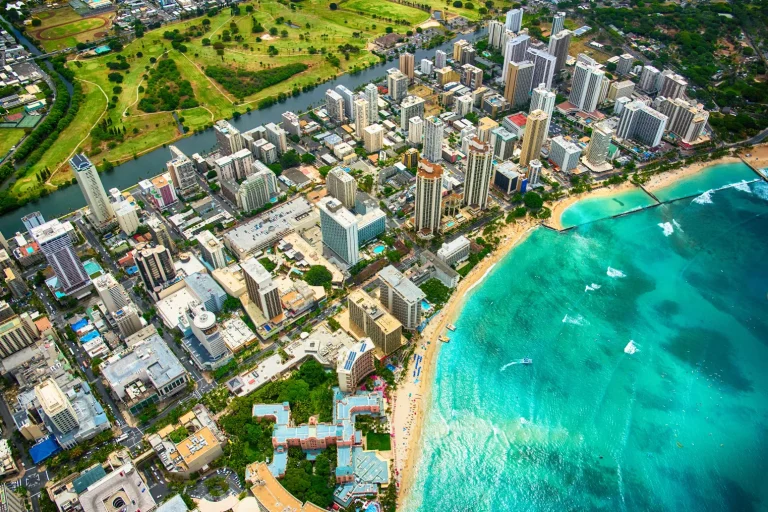
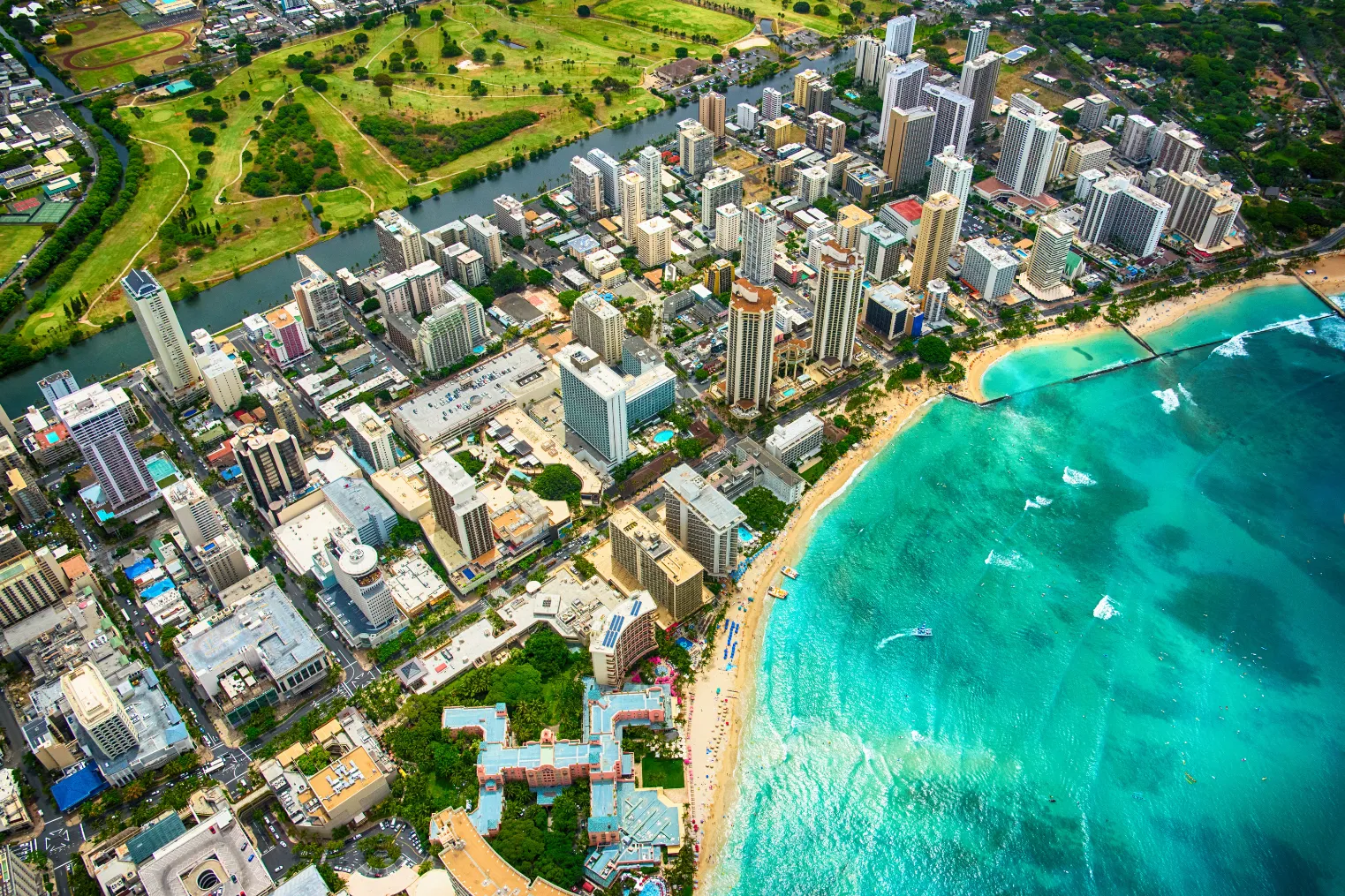
The view feels wild and cinematic, but what you wear needs to stay simple and smart. You’ll want light layers that handle sun, wind, and sudden rain, plus closed-toe shoes that won’t slide when the rotor starts thumping overhead. Dark, non-reflective colors also help if you want clear photos through the glass. A beach outfit might seem tempting, but once you’re airborne, a few small choices matter more than you’d think.
Key Takeaways
- Wear lightweight, breathable layers with a thin jacket, since helicopter cabins and higher altitudes can feel 5–10 degrees cooler.
- Choose dark, non-reflective solid colors like navy, charcoal, or black to reduce window glare and improve photos.
- Wear closed-toe shoes with good grip, as many Oahu helicopter operators require them for safety during boarding.
- Avoid loose hats, scarves, dangling jewelry, and flowing clothing that can flap or snag in rotor wash.
- For doors-off or wet conditions, wear fitted quick-dry layers, a light windproof shell, and secure cameras with straps.
What Should You Wear on an Oahu Helicopter Tour?
Start with clothes that work as hard as your camera. For an Oahu helicopter tour, wear dark, non reflective pieces that won’t bounce glare onto the windows when you’re chasing those blue coast and green ridge shots. Choose closed toe shoes so you can board with steady footing.
Build your outfit in light layers, like a T shirt and a thin jacket, because the cabin and higher air can feel cooler than the beach. Add sunglasses and reef safe sunscreen before takeoff since UV still sneaks through. Bringing a small essentials bag can help keep items like sunscreen, sunglasses, and motion sickness remedies organized without adding bulk. Skip loose hats, scarves, and flowing hems that love a dramatic flap. Secure your camera with a strap. If motion sickness finds you easily, pick breathable fabrics and take your usual remedy early for a smoother flight.
Is There a Dress Code for Helicopter Tours?
While there’s no formal dress code for an Oahu helicopter tour, you’ll have a much easier time if you dress for comfort, movement, and a little wind. Think casual clothes that let you step in and out smoothly and settle into your seat without fuss. For Helicopter Tours, layers work best, since the helipad can feel breezy and the air often turns cooler once you’re up above the coast. A light jacket or sweater usually does the trick. If you plan to shoot photos through the windows, skip white or very light colors. Darker clothing helps cut glare on the glass. This is especially helpful if you’ve booked one of the best seats for views and photos on your Oahu helicopter ride. Avoid floppy hats, loose scarves, and anything overly flowy. Secure long hair, keep accessories minimal, and you’ll feel ready for the ride ahead.
Why Are Closed-Toe Shoes Best?
Usually, closed-toe shoes are the smartest pick for an Oahu helicopter tour because they keep your feet protected from the moment you step onto the helipad. They guard against cuts, scrapes, and stubbed toes when you board or step off onto uneven ramps. Good tread also gives you steadier footing on slick or sloped surfaces near the aircraft. Many pilots and operators require closed-toe shoes for safety and insurance, so wearing them helps you avoid a last-minute boarding problem. They also block loose grit and hot exhaust blast during takeoff and landing, which your toes definitely won’t enjoy. Since operators also follow weight guidelines as part of overall flight safety, dress rules like closed-toe shoes are often enforced just as carefully. If an emergency exit ever becomes necessary, sturdy closed-toe shoes make quick movement safer and more secure than sandals or flip-flops. Sensible can still feel vacation-ready.
What Layers Should You Bring?
Because the air can feel 5 to 10 degrees cooler once you lift above Oahu, it’s smart to dress in light, flexible layers that you can add or peel off fast. Start with a breathable base, like a cotton or moisture-wicking shirt. Add a thin mid-layer, such as a fleece or long-sleeve top, to handle cabin air conditioning and shifting sun.
Bring a lightweight jacket or windbreaker that you can remove quickly and stow without a wrestling match. If you’re taking a Doors-Off Helicopter Tour, pack a compact scarf or neck gaiter to block the extra wind around your neck. Keep every layer minimal and non-bulky. Heavy coats feel awkward in a snug helicopter seat, and they don’t help with tight space and weight limits anyway. Comfort wins up there. These first-time flyers often find that simple, adjustable layers make the overall Oahu helicopter tour more comfortable from takeoff to landing.
What Colors Work Best for Tour Photos?
Often, the best photo color choices do double duty. You want shades that flatter you and help the camera. Dark solids like navy, charcoal, and black cut window glare, so your Blue Hawaiian flight shots look cleaner and sharper. Jewel tones also shine over Oahu. Turquoise, coral, and emerald stand out against the ocean, cliffs, and valleys without fighting the view. Pairing these colors with phone settings tuned for aerial shots can make your helicopter photos look even sharper and more vivid.
| Color choice | Why it works |
|---|---|
| Navy or charcoal | Reduces reflections and boosts contrast |
| Coral or emerald | Pops against sea and ridgelines |
If you’re flying with friends, pair complementary colors like navy and coral for balanced group photos. Keep textures simple, because tiny patterns and bold logos can turn oddly buzzy in crisp aerial images. That keeps attention on your face, not shirt doing tricks.
What Should You Avoid Wearing?
You’ll want to skip bright or shiny clothing, since glare can bounce off the windows and wash out those sweeping Oahu views in your photos. Dark, non-reflective colors can help reduce window reflections and make your photos come out clearer. You should also avoid loose scarves, dangling jewelry, and other fluttery extras that can snag, rattle, or get annoying fast. Keep it simple and secure, because a helicopter cabin isn’t the place for fussy outfits or surprise wardrobe drama.
Avoid Bright Clothing
While bold colors can look fun on the ground, they don’t do your helicopter photos any favors. If you want cleaner shots of Oahu’s ridges, waterfalls, and blue coves, avoid bright clothing like neon green, hot pink, and fluorescent yellow. Those shades bounce hard off the window and can throw odd color casts across your pictures.
You should also skip high-contrast patterns and reflective fabrics. Sequins, metallic finishes, and flashy prints can create distracting glare when sunlight hits the glass. White or very light tops aren’t ideal either, because they can wash out surrounding colors and boost cabin reflections. Clothing with giant logos or busy graphics can steal attention from the view. Let the island be the star. Your camera, and future self, will thank you later for that choice. And since bringing a camera on an Oahu helicopter tour is generally allowed, choosing non-reflective clothing helps you get better shots with your camera on board.
Skip Loose Accessories
Clean photos matter, but so does keeping anything loose from turning into a midair nuisance. You should avoid long,dangling jewelry. Necklaces, layered chains, and big hoops can tap, tangle, or catch in seat belts when the cabin gets busy. Scarves, ties, and floaty cover-ups look breezy on the ground, but rotor wash can whip them into your face or over safety gear. Selfie sticks should also stay behind, since selfie sticks can be restricted on helicopter tours for safety and space reasons.
- Leave floppy hats and loose visors behind
- Zip pockets and secure straps or lanyards
- Skip bulky clips that fight with your headset
You’ll also want fitted hats and simple hair ties instead. When boarding, loose pieces can snag on doors, handles, or restraints. Keeping accessories streamlined helps you hear the pilot, move easily, and step out looking polished, for island landings too.
What Should You Bring on the Tour?
For the best mix of comfort and great photos, pack light but pack smart. Bring a camera or smartphone with a full battery, extra memory, or a small charger so you can catch Waikiki, Diamond Head, and the North Shore in crisp panoramas. Tuck sunscreen, sunglasses, and a lightweight hat into your bag for the sunny wait before and after takeoff. Keep personal items minimal with your wallet, ID, and any needed medications in a small backpack. If Motion sickness can sneak up on you, pack remedies like over-the-counter tablets or acupressure bands, and ask your doctor about prescriptions. A light jacket helps too, because cabins and higher altitudes can feel surprisingly cool, even in Hawaii’s bright coastal sun and trade winds nearby below. It also helps to arrive early for tour check-in so you have time to settle in and organize what you bring.
What Changes for Doors-Off Flights?
Doors-off flights change the packing list and the outfit in a big way, because the breeze that feels pleasant on the ground turns fast, loud, and chilly once you lift over Oahu’s ridges and coastline.
For doors-off flights, dress close to the body and think secure. Wear a light windbreaker, pants, and closed-toe shoes so nothing snaps or flaps in the slipstream. Choose dark, non-reflective colors for cleaner photos, and bring thin windproof gloves if you’ll hold a camera. An insider’s look at doors-off helicopter tours over Oahu also makes it clear that the open-air setup intensifies the wind and noise, so secure, streamlined clothing matters even more.
- Skip hats, loose jewelry, scarves, and floaty layers
- Expect helmets, goggles, harnesses, or tethered camera straps
- Check hair and operator rules before you go
A little prep keeps you comfortable, protects your gear, and lets you focus on the cliffs, reefs, and waterfalls below you.
How Should You Dress for Sunny Weather?
Bright Oahu sun can fool you into dressing only for the beach, but a helicopter ride feels different once you lift into cooler air above the coast.
Wear lightweight,breathable layers (cotton or moisture-wicking fabrics) so you can add a light jacket if it feels cooler at altitude despite sunny ground temps. Choose a dark-colored top to cut window glare in photos. Keep sunglasses and a wide-brimmed hat for tarmac time, and put on reef-safe sunscreen before you arrive. Bring a small bottle for touch-ups on the helipad. If you’re flying with younger passengers, check the tour operator’s age rules before arrival so everyone is dressed appropriately and ready for boarding requirements. Skip loose scarves, long flowing clothes, and dangling jewelry. They flap around noisily and can create hassles during boarding. Finish with closed-toe sneakers or walking shoes, even when sandals look tempting in the bright island sun outside.
What Should You Wear if It Rains?
Even if the forecast looks spotty, you’ll want a lightweight waterproof shell that keeps drizzle off without turning clammy on the ride to the heliport. Wear a lightweight,waterproof shell or rain jacket (preferably breathable Gore-Tex or similar). Then build from there:
- Pick quick-drying synthetic layers, like polyester or merino blends, so mist won’t leave you chilled.
- Choose closed-toe shoes with grip, such as water-resistant sneakers or light hikers, for slick pavement.
- Stash your phone and camera in a compact water-resistant bag or zip-top pouches, and skip umbrellas.
A small packable poncho also works well because you can tuck it away fast during boarding. Cotton sounds cozy, but it stays wet and heavy. In rain, that’s a gloomy souvenir nobody wants for the flight ahead. If conditions worsen, keep in mind that weather cancellations can happen for Oahu helicopter tours, so practical rain gear helps while you wait or adjust plans.
What if You’re Flying After the Beach?
Beach-to-helicopter plans are common on Oahu, and they’re easy to pull off if you make a few smart swaps before check-in. Wear your swimsuit under a quick-dry cover-up or lightweight shirt, so you can freshen up discreetly after the beach without hunting for a locker or changing room.
Rinse off extra sand and towel dry before boarding. You’ll feel better, and the seats will too. Swap flip-flops for closed-toe shoes (sneakers or casual closed shoes) before check-in, as many helicopter operators require covered footwear for safety. Add a light jacket or sweater over your beachwear because rotor-blast, altitude, and chilly cabin air can surprise you. Keep gear simple and secure with zippered pockets or a small crossbody bag for sunscreen, sunglasses, and your phone or camera. If you’re deciding between tours after a beach day, the best helicopter tour often comes down to choosing an operator whose check-in process and comfort rules fit smoothly into your plans.
What Outfit Mistakes Should You Avoid?
While it’s tempting to dress for the photos, a few outfit choices can make your Oahu helicopter tour less comfortable and your views less clear. First, avoid wearing light-colored or shiny clothing. White, metallic, and satin fabrics bounce glare onto the windows and can spoil those reef-and-ridge shots. For the clearest aerial shots, remember that camera settings also matter just as much as avoiding reflective clothing.
- Wear closed-toe shoes, not flip-flops, for safer boarding and emergencies.
- Skip scarves, loose hems, and dangling jewelry that tangle with belts or headsets.
- Bring a light jacket, and skip heavy scents in the tight cabin.
A simple dark, matte outfit works best. You’ll stay comfortable as temperatures shift with altitude and air conditioning, and you won’t distract seatmates with perfume or a runaway accessory. Save the drama for the coastline below during the ride back home.
Frequently Asked Questions
Can I Wear a Dress or Skirt on the Helicopter Tour?
Yes, you can wear a dress or skirt on the helicopter tour, but you’ll want a knee-length, fitted style in Flow friendly fabrics. Pair it with closed-toe shoes, secure your hair, and skip loose accessories.
Do I Need to Remove Items From My Pockets Before Flying?
Like a trusty telegram, yes, you should remove loose items from your pockets before flying. Follow the Pocket Policy: empty keys, coins, phones, and sunglasses, then stow larger items as directed so your harness fits safely.
Are Prescription Glasses or Contact Lenses Better for the Tour?
Either works, but Contact lenses often suit the tour better because you’ll get a wider view and less glare. If you wear glasses, keep anti-reflective lenses, darker frames, and bring a case and cleaning cloth.
Should I Dress Differently if I’M Prone to Motion Sickness?
Yes, dress lighter, dress looser, dress smarter if you’re prone to motion sickness. Choose Motion management clothing: breathable layers, no tight collars, and closed-toe shoes. You’ll stay cooler, steadier, and much more comfortable during the flight.
Is There Secure Storage for Extra Clothing or Personal Items?
No, you usually won’t find guaranteed secure storage for extra clothing or personal items. Locker availability varies by operator, so confirm ahead. You should bring only essentials, leave valuables in your car or hotel safe.
Conclusion
Dress smart and you’ll spend less time fussing and more time staring at Oahu’s ridges, reefs, and waterfalls through clear windows. Choose breathable layers, dark colors, and grippy closed-toe shoes. Tuck away loose extras before the rotor wash turns them into comedy. If the weather shifts, your shell has you covered. As the saying goes, forewarned is forearmed. You’ll stay comfortable, your photos will look better, and the flight will feel smooth from takeoff to landing.