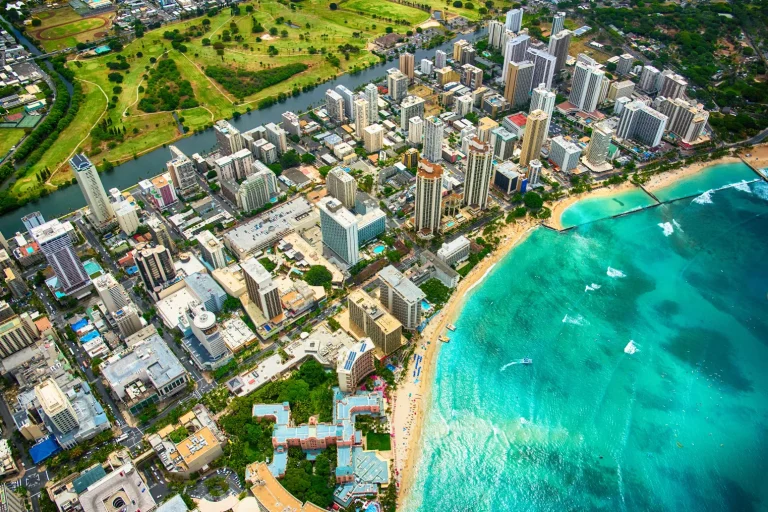
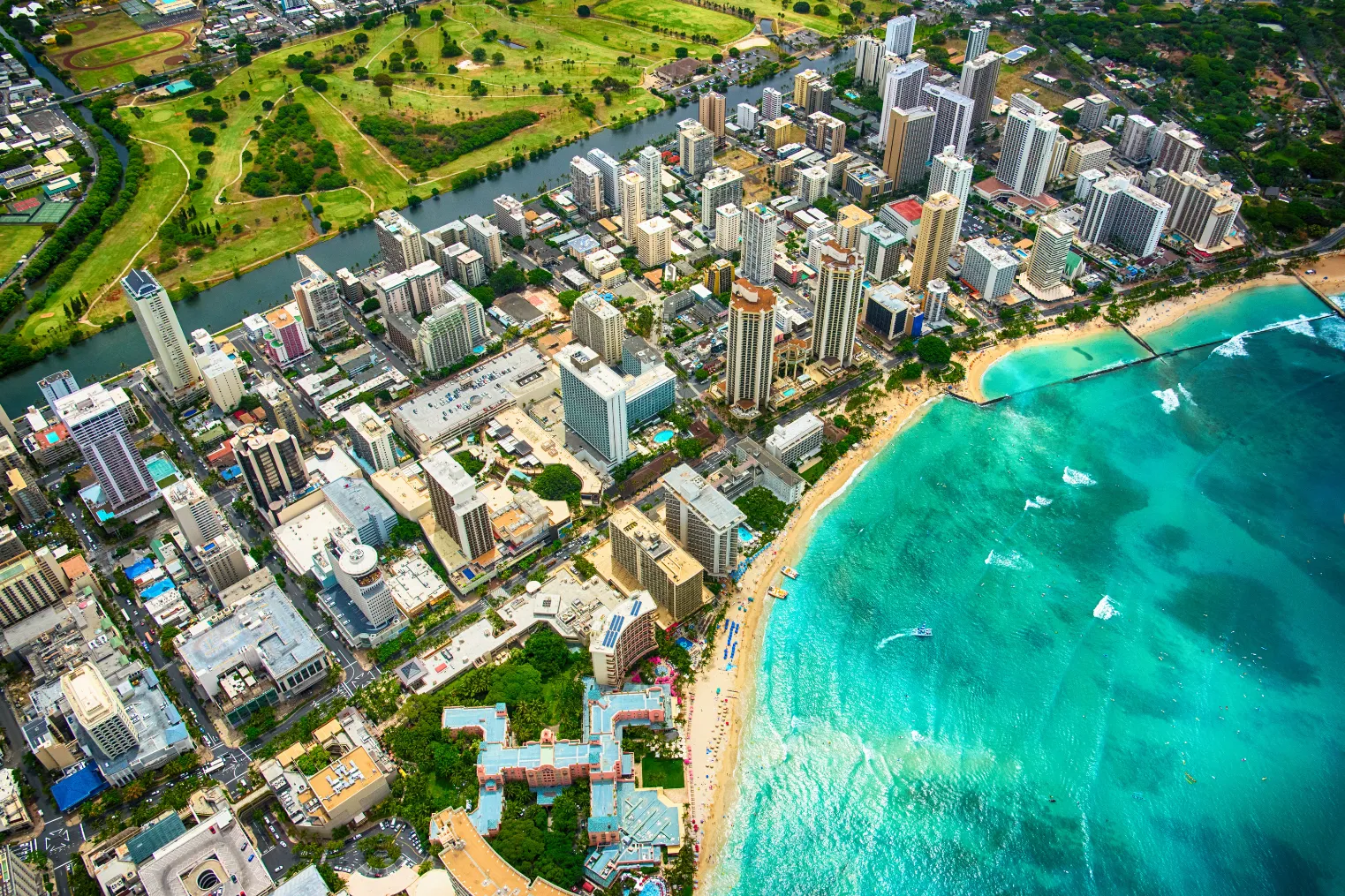
On many Oahu flights, one seat can feel like the difference between a postcard and a movie scene. You’ll hear the rotor thrum, spot Diamond Head slip past the skids, and watch the Koʻolau cliffs rise like folded green fabric if you’re on the right side of the cabin. But “right” depends on the route, the aircraft, and even your weight class, which is where the seat puzzle gets interesting.
Key Takeaways
- On standard counterclockwise Oahu tours, left-side seats usually get the best continuous views of Waikiki, Diamond Head, and the Windward coast.
- The rear-left window seat is often the top shared-flight choice for sightseeing and cleaner side-facing photos with fewer cockpit distractions.
- The front co-pilot seat offers the widest panoramic view, but shared flights rarely guarantee it unless you book a private charter.
- Seat assignments are typically finalized at check-in after weighing passengers, so requests help but safety and balance usually decide placement.
- For photography, doors-off flights provide the clearest shots, and back-row side seats often give the best unobstructed angles.
What Are the Best Seats on an Oahu Helicopter Tour?
Usually, the best seat on an Oahu helicopter tour is on the left side, often the rear-left, because most tours fly a counterclockwise loop that puts many of the island’s big sights right outside that window.
If you can request seats, ask for a left-side seat. The rear-left seat is a favorite. The front-row co-pilot feels cinematic, though. Many travelers consider the front seat upgrade worth it for the wider panoramic view and more immersive in-flight experience. For a Doors Off Helicopter Oahu flight, back-row seats create the wildest photo angle, so bring goggles and closed-toe shoes. Still, seat maps aren’t promises. Operators assign places by weight distribution at check-in. If you’re set on one spot, a private charter gives you the best shot. Otherwise, mention your preference early, stay flexible, and enjoy the thrum of the rotor over the bright blue coast.
Which Side Has Better Views on an Oahu Helicopter Tour?
On most Oahu helicopter tours, you’ll usually get the best views from the left side since the flight often runs counterclockwise past Waikiki, Diamond Head, the Koʻolau cliffs, and the North Shore. Still, you can’t count on that seat because crews assign spots at check-in based on weight balance, not wish lists. That little seating shuffle keeps the ride safe, and it also makes a private flight the only real way to lock in the left side. Typical Oahu helicopter routes also highlight iconic sights along this same loop, which is why seat position can noticeably shape what you see most clearly.
Left Side Views
If you’re trying to pick the better side on an Oahu helicopter tour, aim for the left. On the usual counter‑clockwise route, your left side faces Oahu’s headline scenery more often, so Waikiki glitters below, Diamond Head rises cleanly from the coast, and the Windward Koʻolau cliffs look especially dramatic. Many standard routes also include sweeping passes over Sacred Falls, adding another standout sight more often framed well from the left during the loop. Pilots often bank and circle, which helps everyone grab photos, but you’ll still usually get the most direct views from this side during the standard loop. Before booking, ask about route direction, door options, and your seating assignment so you know what to expect. If you want the strongest odds of staying on the left, a private charter gives you more control. It’s the practical choice when your camera, and your neck, want fewer awkward angles aloft.
Seating Assignment Limits
Even when you know the left side often gets the sweeter view on Oahu’s standard counterclockwise loop, you can’t simply call dibs on that seat. On shared flights, seating assigned by weight shapes the cabin map at check-in, usually after discreet weighing. That means left side better views may stay a wish, not a promise.
Because operators follow weight guidelines, where you sit is often finalized only after everyone is weighed and balanced for the aircraft. In six-seat helicopters, the best scenery often comes from the rear side seats and the front passenger seat. Still, if you’re flying as a couple, only one of you usually gets a true window spot. Pilots may bank or circle so both sides catch waterfalls, ridges, and surf lines, but the counterclockwise route still favors one side longer. If side matters, ask early. Only a private tour guarantee gives you real control.
Still comparing Hanauma Bay?
Ask for tour ideas, hotel suggestions, or a simple trip plan that combines both.
Trip Helper
Why Route Direction Changes the Best Side
Because most Oahu helicopter tours fly counter-clockwise, route direction quietly decides which side gets the star treatment. On standard loops, your left side usually tracks Diamond Head, Waikiki, Koko Crater, Hanauma Bay, and the Koʻolau range for longer, cleaner photo opportunities. If the pilot flies clockwise instead, the right side suddenly wins. Pilots may circle highlights, but route flow still shapes what you see continuously, especially on a doors-off flight. Tour length and flight path also affect how much time each side gets with Oahu’s major landmarks.
| Route | Better side |
|---|---|
| counter-clockwise loop | left side |
| clockwise loop | right side |
| seating assigned by weight | ask early |
That predictability matters when rotor noise rises and the shoreline flashes beneath you. Even with seating assigned by weight, route direction remains the real map for your eyes. On a private tour, you feel that logic clearly.
Can You Choose Your Seat on an Oahu Helicopter Tour?
You usually can’t pick your exact seat on a shared Oahu helicopter tour because the crew assigns seats after weighing everyone for safe balance. If you want more control, you’ve got a better shot with a smaller group or a private charter, where you may be able to lock in a window or door-side seat. Since many Oahu routes fly counterclockwise, you’ll want to ask about the left side in advance if those big coastal views matter to you. It also helps to follow the operator’s check-in timing guidance so seat assignments and safety procedures stay on schedule.
Seating Assignment Rules
While it’s tempting to picture yourself claiming the perfect window before takeoff, seat assignments on an Oahu helicopter tour usually happen at check-in, not at booking. With seating assigned at check-in, the crew uses discreet weight measurements to handle weight-and-balance, so you can’t lock in exact spots early. Most helicopters carry six people, with two front seats next to pilot and four rear seats. You can request preferred side when you book or when you arrive, and crews may sort doors-off vs doors-on preferences too. Still, they make the final call for safety. Routes often run counterclockwise, which can favor the left, though pilots usually bank and circle so both sides catch waterfalls, ridges, and that Pacific flash. Only a private charter guarantees specifics. If guaranteed placement matters most, private charter options are the most reliable way to plan around specific seating preferences.
Private Tour Options
Here’s the cleanest way to call the shots: book a private Oahu helicopter tour. With a private tour, you can request guaranteed seats, side placement, and even mixed doors-off preferences before check-in. Rainbow Helicopters offers this option, with charter cost around $1,320 for two or $2,640 for four. Private charters also appeal to travelers weighing the tradeoffs in cost and flexibility before choosing between a shared or exclusive flight. Still, ask about seating assignment guarantees, because safety and weight distribution can override plans.
| Need | Private | Note |
|---|---|---|
| Seats | Specific side | Confirm guarantee |
| Doors | doors-off mix | Same pricing |
| Cost | $1,320 two | $2,640 four |
| Shared flight | Check-in only | Weight rules |
If you need photo access or easier boarding, this upgrade earns its keep. If you don’t, shared flights usually work fine, and the rotor thrum still feels thrilling as Honolulu slips away beneath your skids right at takeoff.
Best View Strategies
For the best odds at a wow-worthy view, think strategy instead of luck. On most Oahu helicopter rides, you usually can’t control exact seat selection. Operators assign seats at check-in after discreet weighing for weight-and-balance, so showing up early won’t lock in your dream spot.
Still, you can improve your chances. Many routes fly counterclockwise, which often makes left side views better for Diamond Head, Waikiki, and the windward coast. Ask which direction your tour flies. If a doors-off option matters most, book that option in advance. Bring photography goggles, use a neck phone case, and leave loose items behind. Mixed seating is common, so tell the company your preference. For true control, a private charter gives you the best shot at your ideal side and seat.
Why Weight Balance Decides Your Seat
Because a helicopter has to stay perfectly balanced in the air, your seat on an Oahu tour usually gets decided at check-in, not when you book. During helicopter seating, staff use a discreet weigh-in to calculate safe weight distribution and protect the center of gravity. If you’re heavier, you may sit forward or opposite another passenger. That means left-side views can’t be promised, even though the route often runs counterclockwise. You might also find doors-off vs doors-on preferences limited by your group’s combined numbers. Smaller groups have more wiggle room. If you want total control over side or door placement, a private flight is the surest option, though balance still matters. Safety calls the shots up there, and the tradeoff is still worth it. Families should also check age limits before booking, since Oahu helicopter tours may have minimum age rules that affect who can fly.
When Is a Private Oahu Helicopter Tour Worth It?
Seat assignments may be out of your hands on a shared flight, so a private Oahu helicopter tour starts to make sense when you want control instead of crossing your fingers at check-in.
- Pick a private flight for guaranteed seating and exact doors-off preferences.
- You can reschedule after weather cancellations without battling group inventory.
- You get better photo opportunities, more comfort, and no elbow duels with strangers.
- For anniversaries, families, or mobility needs, shared tour vs private gets practical fast.
- Rainbow Helicopters shared tours cost about $440 each, while private pricing runs $1,320 for two or $2,640 for four.
Booking around the best views can make that private upgrade feel even more worthwhile on Oahu. If your budget can stretch, the upgrade buys calm, flexibility, and seat certainty while the island’s ridges and surf roll by below you this flight.
Are Doors-Off Seats Better Than Doors-On Seats?
If you want the clearest views and your best shot at sharp photos, you’ll usually prefer doors-off seats because there’s no glass, no glare, and no smudges between you and Oahu. You’ll also trade some comfort for that freedom, since the ride feels windier, colder, and louder even with headphones and a harness keeping things secure. On a doors-off helicopter tour, you also get a more open, unobstructed perspective that makes the experience feel especially immersive over Oahu. Before you choose, you should weigh the camera advantage against the extra rules, gear, and exposure, because a great seat isn’t just about the view.
View And Photo Quality
Why do so many photographers chase doors-off seats on an Oahu helicopter tour? You get totally unobstructed views, cleaner angles, and no window glare. On a Doors-off helicopter, you can shoot from the side and slightly rearward, which gives your camera more options as waterfalls, ridges, and surf lines slide past. You can also bring a GoPro on many tours, but check the operator’s rules on bringing a GoPro before you fly.
- Pair a wide-angle lens with fast shutter speed near 1/1000s.
- Pick the left side for Diamond Head, the Windward coast, and North Shore.
- Doors-on works best in window seats, though reflections limit framing.
- Weight-based seating means your ideal spot isn’t guaranteed.
- Ask early, or book private, if photos matter most.
You’ll notice the difference every time the cabin banks and the island opens like a map beneath your shoes and lens that day.
Comfort And Exposure
Usually, doors-off seats feel more thrilling and more exposed, and for most travelers they’re the better pick over doors-on. You get unobstructed views, louder air, and that wild Oahu rush. On a Doors-off helicopter, a left-side seat usually shows Diamond Head and the Windward coast best. A doors-on helicopter tour is often a better fit for travelers who want a calmer, less exposed ride.
| Pick | What you feel |
|---|---|
| Doors-off | warm layers and wind exposure |
| Doors-on | calmer ride, softer noise |
You’ll still need goggles and neck case, and framing can take practice. Since weight-distribution seating decides placement, you can’t count on your exact spot. If you want a specific door or side, book a private flight option. Often the price matches doors-on, so why not choose more sky? If you run cold, long sleeves help, but many travelers gladly trade comfort for immersion.
Safety And Gear Rules
While doors-off seats give you cleaner views and better photo angles, they also come with stricter gear rules. On a Doors-off helicopter, you’ll wear goggles, clip on a waist lifejacket, and use a secure neck case for your phone. Expect wind, cooler air, and a little squinting when you frame shots.
- Bring small electronics only
- Stow hats, bags, lens caps, and loose items
- Expect crew-assisted harnessing before takeoff
- Keep two-way headphones on for pilot updates
- Wear long sleeves, a jacket, and closed-toe shoes
Hats are usually not allowed on doors-off tours because loose items can blow away and create a safety risk. Check-in works the same either way. You’ll watch a safety video, get weighed discreetly for seat balance, and plan your tip. Easy enough. Doors-on seats feel simpler, but the open cabin makes every rule matter from lift-off to landing over Oahu.
Best Seats on a Doors-Off Oahu Helicopter Tour
Often, the best seats on a doors-off Oahu helicopter tour are in the back row, where the four-seat bench gives you the cleanest photo angles, especially from the two window spots on either side. On a doors-off helicopter, those back-row seats usually beat the front for unobstructed shots. Since most routes run counterclockwise, left-side views frame Diamond Head Waikiki and the Windward Coast beautifully. Your seat assignment weight balance happens at check-in, so arrive early and report honestly if you want a better shot at your preferred side. A front-row pilot seat feels wilder, with more wind but dramatic forward views. If you want guaranteed placement, private flight seating lets you choose exactly where you’ll sit and keep your phone snug in the neck case. If you’re comparing operators, the route and style of the tour can matter just as much as seat position for getting the views and photo angles you want.
Best Seats on a Doors-On Oahu Helicopter Tour
Generally, the best seats on a doors-on Oahu helicopter tour are the ones that match your goal, whether that’s a wide forward view or cleaner island shots through the side glass.
- On a doors-on helicopter, front seats give you the clearest forward look, if balance allows.
- Ask about seat assignment during check-in weighing, but know the crew may juggle spots.
- On Rainbow’s usual route, left-side seats often show more coast, landmarks, and that big blue sweep.
- For photography unobstructed, choose a rear window seat facing the island, usually left.
- If you need certainty, a private flight is your best shot, not a polite wish.
Back windows are often larger too, so you get broader lateral views and less glass drama during the humming ride. For first-time flyers, asking about seat preferences before the safety briefing can make the experience feel less overwhelming.
Which Oahu Helicopter Tour Is Best for Photos?
What makes the best Oahu helicopter tour for photos stand out? You’ll want a Doors-off helicopter, because nothing beats fully unobstructed views when you’re framing reefs, ridges, and surf lines. On most routes, left side seating gives you stronger panoramas since tours usually fly counterclockwise. A back-row seat also helps, giving you cleaner side and rear angles with fewer cockpit distractions. For the best all-around route, book the Royal Crown of Oahu, a 60-minute tour that packs in Waikiki, Diamond Head and Hanauma Bay, the Koʻolau range, and the North Shore. Using the best camera settings for helicopter photography can also make a huge difference in keeping island views sharp despite vibration and motion. If seat choice really matters, request open seating early or splurge on a private two-person flight. It costs more, sure, but your camera will probably send a thank-you note after landing back home.
What Should You Wear on an Oahu Helicopter Tour?
Even on a hot Honolulu day, you’ll want to dress for wind, not just sunshine. Open-door flights feel colder and gustier than the beach, so comfort matters.
- wear warm layers, plus a windproof jacket
- choose closed-toe shoes for steady boarding
- avoid loose items like hats, scarves, and jewelry
- use a phone or camera only with a neck case
- pack motion-sickness medication if bumps bother you
If you sit by an open door, wear long sleeves because they’re required. Sunglasses are fine, but goggles are provided and mandatory for doors-off seats. Keep your outfit easy to move in, since entry and exit are crew-assisted. The rotor wash is loud, the air feels sharp, and you’ll be glad you dressed for the ride, not the runway. This dress code helps you stay safe and comfortable throughout the flight.
What Can You Bring on the Helicopter?
You can usually bring only the essentials onboard, like your phone or camera, while bags and bigger items go into a locker or desk drawer at check-in. If you’ve booked a doors-off seat, you’ll use the provided phone holster and goggles, and you’ll want to secure or leave behind anything loose, from hats to lens caps, before the rotors start thumping. It helps to pack light, wear closed-toe shoes and warm layers, and keep your camera setup simple so you’re ready for those wide blue views without fumbling in the wind. Most operators do allow a camera onboard, but they may ask that it be secured and easy to handle during the flight.
Allowed Personal Items
Before you head to the aircraft, plan to bring almost nothing besides the basics. Helicopter cabins stay strict for safety, especially in doors-off seats, so leave loose items behind and expect staff to collect prohibited items at check-in.
- phones and cameras only, with no bags
- sunglasses you can wear comfortably
- a neck phone case for your phone
- goggles for open-door seating
- anything tethered, like a camera on a strap
Everything else, from hats to lens caps, should go in the drawer or your car. Wallets and keys stay behind too. It feels minimal, but once the rotors thrum and the coast opens below you, traveling light makes perfect sense. You won’t miss the extras when blue water, green ridges, and trade winds take over outside.
Camera And Phone Rules
Once the safety briefing starts, the gear rules get very simple: bring only a phone or camera, and leave everything else behind. You can carry phones and cameras, but the crew will have you stash bags, wallets, and keys in a drawer before takeoff. If you’re in a doors off helicopter seat, you’ll use a neck phone case, and any larger setup must be a tethered camera handled exactly as instructed. You’ll also wear protective goggles, which can make framing a little trickier, so think wide shots and fast shutter speeds around 1/1000. Ask ahead about lens limits because operators often cap size and quantity. Wear closed‑toe shoes, keep a good grip, and don’t expect loose items to join the island views aloft today.
Loose Item Restrictions
Think of the cabin as a loose-item-free zone, because anything that can flutter, slide, or pop off can turn into a problem fast. Before boarding, stash loose items in the operator’s locker/drawer or your car.
- Bring phones, sunglasses, and a compact, secure camera
- Follow the no bags rule, even for small backpacks
- Store hats, keys, wallets, lens caps, and straps
- For doors off, wear the neck phone case and goggles
- Keep gear tethered or crew may deny it
You’ll hear the rotors thump and feel the trade wind, so simple logistics matter. Only handheld or neck-worn essentials belong in the cabin. If it isn’t strapped down, it doesn’t fly. That’s the whole idea. It keeps your ride safer and your views wide open too.
When Should You Book Your Oahu Helicopter Tour?
Usually, you’ll want to book your Oahu helicopter tour at least a few days ahead, especially if you’re aiming for a popular time or a doors-off seat with the wind in your ears and no glass in your photos.
To stay flexible, book at least a few days in advance and use GetYourGuide free cancellation if you might need to book 48 hours in advance. Schedule the tour earlier in your trip, so weather delays don’t wipe out your only chance. If you want to reserve a doors-off slot, do it early. Those seats disappear fast. Also, allow travel time to Honolulu Airport. Waikiki can take 20 minutes on Sunday or 40 in weekday traffic. For a date, private trip guaranteed seating make sense.
How Do You Pick a Safe Oahu Helicopter Company?
Booking early helps, but picking the right operator matters just as much when you’re about to lift off over Oahu’s ridges, surf breaks, and sea cliffs. Before you book, ask direct questions and trust clear answers. Safe operators sound organized before the rotors even start. You should:
- check operator safety record and FAA incident history
- confirm pilot qualifications and aircraft maintenance practices
- expect transparent check-in procedures and a preflight safety briefing
- look for recent reviews about weather delays and crew communication
- choose weather flexible rebooking so rain doesn’t ruin your plans
Search the company name with NTSB or crash, verify FAA certification, and ask about licenses, recency checks, lifejackets, goggles, and discreet weighing. Schedule early in your trip, because Hawaiian weather loves plot twists.
Frequently Asked Questions
Do Helicopter Tours on Oahu Cause Motion Sickness?
Yes, you can get motion sickness on Oahu helicopter tours, but prevention tips help: choose front seating options, pick calmer time of day and smoother tour routes, follow medication advice, and use horizon-focused visual cues.
Are Oahu Helicopter Tours Suitable for Young Children?
Yes, like threading a kite through trade winds, you’ll find tours suitable if you confirm child safety, lap policy, age limits, car seat rules, noise sensitivity, seatbelt fit, and stroller storage before booking with operators directly.
How Long Does a Typical Oahu Helicopter Tour Last?
You’ll usually spend 60 minutes airborne; shorter tours run 30–45. Your flight duration, tour length, and average time depend on the flight schedule, ride timing, tour itinerary, and duration estimates you choose with operators there.
What Happens if Bad Weather Cancels the Tour?
If bad weather cancels your tour, you’ll get refund policies, rescheduling options, or flight vouchers after weather monitoring triggers emergency procedures; check cancellation windows and insurance coverage, because operators usually rebook you or refund you.
Do Helicopters Provide Headsets for Pilot Narration?
Yes, 99% of tours equip you with headsets for pilot commentary, noise reduction, and in flight communication; you’ll get headset availability, earpiece hygiene, language options, and volume control, so you can hear clearly throughout flight.
Conclusion
You’ll hear a common theory that the left side is always best on Oahu. It’s mostly true on standard counterclockwise routes, where Diamond Head, Waikiki, and the Koʻolau ridges slide into view. Still, wind, weather, and pilot choices can flip the script. So you should request a seat, dress light, secure your gear, and book early. Then listen for the rotor thrum, watch the blue water flash below, and enjoy the ride.