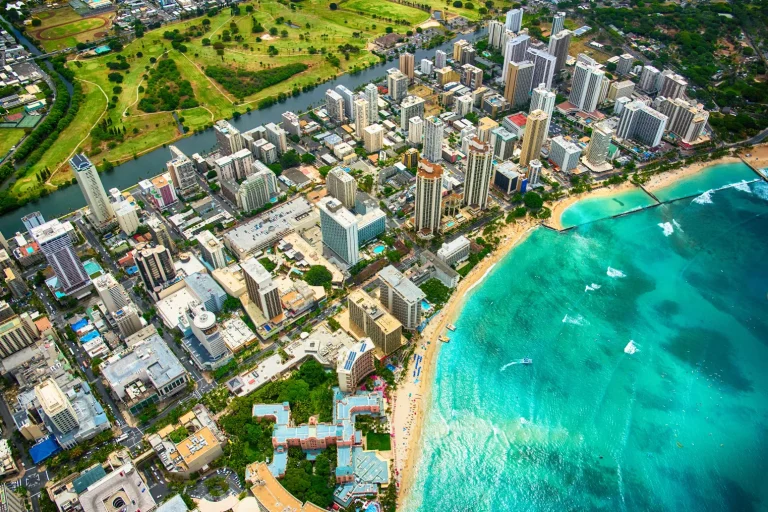
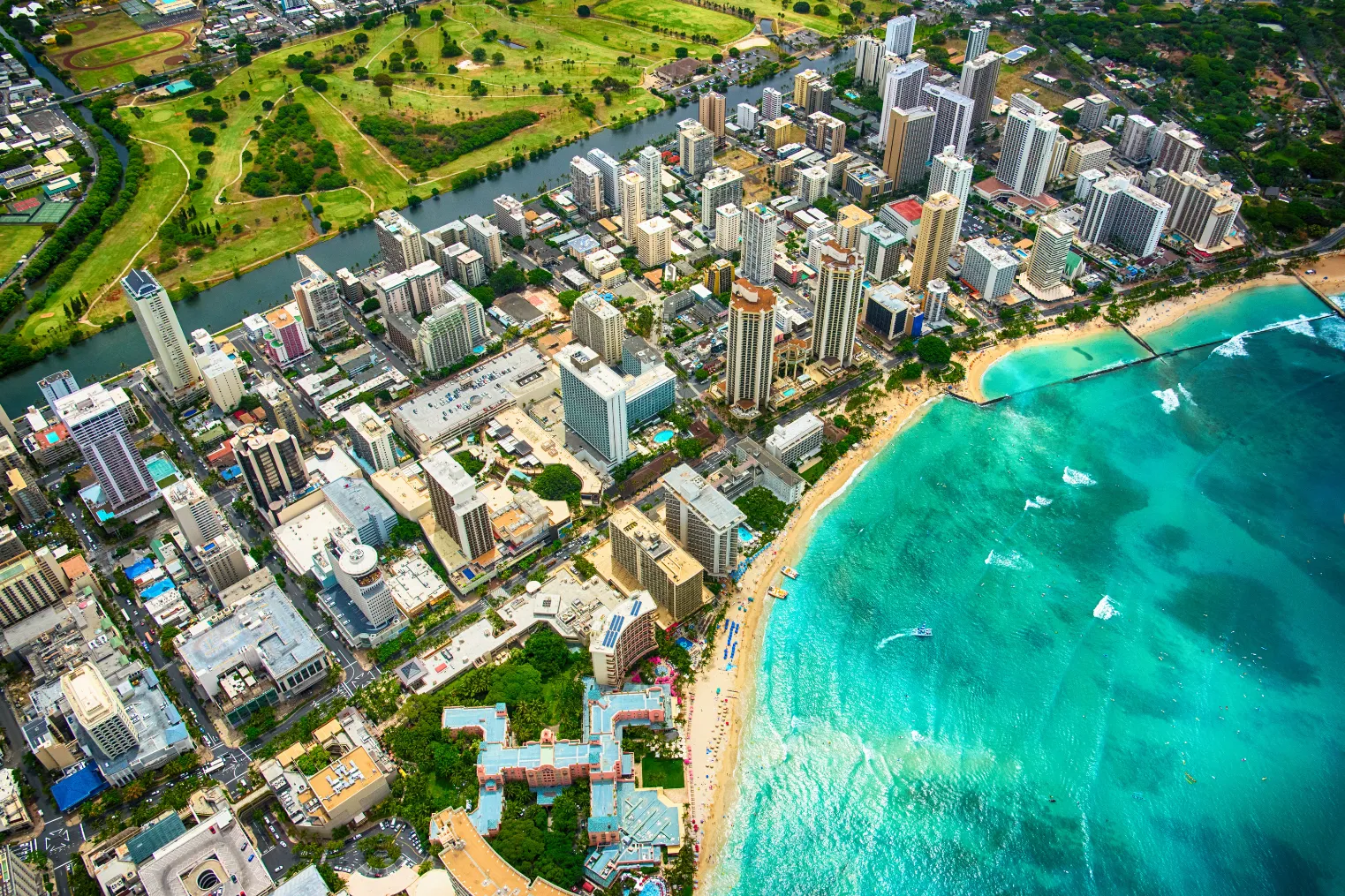
Just as you start wondering whether Oahu looks better at sunrise or sunset, you’ll notice the answer shifts with the wind, the light, and even Waikiki traffic. Fly early and you may get smoother air, soft shadows on the Koʻolau ridges, and less glare on the water. Go later and the island can glow gold, though the sun may play tricks on your camera. The best choice isn’t as obvious as it sounds.
Key Takeaways
- Morning is usually best for an Oahu helicopter tour, with calmer air, smoother rides, and clearer views before clouds and showers build.
- Mid-morning works especially well for comfort, offering lighter trade winds and better conditions for travelers prone to motion sickness.
- Midday gives the most even lighting, making reefs, the Kaneohe Sandbar, and Windward coastline easier to see and photograph.
- Late afternoon offers golden-hour color and dramatic mountain texture, but glare, backlighting, and weather disruptions become more likely.
- Book early in your trip and choose earlier time slots, since morning departures provide the best weather and more rescheduling flexibility.
What’s the Best Time to Fly?
When you fly on an Oahu helicopter tour, there isn’t one perfect hour that beats every other. The best time of day depends on what you want from the ride and your photography goals. Midday often gives steadier visibility and flatter lighting, so ridgelines, waterfalls, and distant blue water look clean and even. Late afternoon can bring golden hour glow to some east-facing scenery, while west-facing views may point you toward brighter sun. Early morning has its own trade-offs, including haze and less warm color. Since winds and weather shift, you should pick an Oahu helicopter tour time that fits your schedule and leaves room to reschedule. Smart routing and side seating matter too for what you actually photograph from the cabin window anyway. Seasonal patterns also affect conditions, so the best time of year can shape visibility, rain chances, and how clear the island looks from the air.
Morning Flights: Calm Air, Softer Light
A morning flight often gives you the smoothest start, especially if you want calm air for photos and a gentler ride over Oahu. With morning flights, you’ll usually get calm winds, reduced turbulence, and better doors-off photography conditions. The softer morning light can brush the Koʻolau Mountains with detail instead of glare, and morning haze visibility is often kinder too. On many morning flights, you may also get clearer island views before afternoon cloud buildup starts to develop.
| Perk | Why it helps | What you do |
|---|---|---|
| Calm air | Smoother ride | Pack camera |
| Early roads | Easy early check-in | Leave Waikiki sooner |
If you want motion sickness prevention, this timing helps, and Dramamine can add insurance. You’ll hear the blades, feel less bumping, and settle in faster. You also beat traffic to the airport, which makes the standard preflight hour feel far less rushed there.
Midday Flights: Clearer Island Views
Midday flips the advantage from soft light to sheer visibility. On midday flights, you’ll often get clearer island views because the high sun cuts long valley shadows and lights the Koʻolau mountains more evenly. Reefs pop. The Kaneohe Sandbar looks brighter and easier to trace. You can also spot more detail along the Windward coast and around Halona Blowhole when morning haze fades.
A typical Oahu helicopter tour itinerary also helps you connect these midday views into a more coherent picture of the island from above.
The tradeoff is harsh light. Photos can look flatter, so pack a polarizing filter and use fast shutter speeds for crisp color. You’ll also feel more direct sun, especially on open-door flights, so bring sunglasses/goggles and dress for heat. If you want to study ridgelines, surf lines, and blue water without squinting through mist, midday can feel like Oahu switched to high definition for you today.
Late Flights: Golden Light, More Glare
Chasing a late flight, often around 5 p.m. on the last departures of the day, puts Oahu in its best golden light. On an Oahu helicopter, golden hour warms Diamond Head and the Koolau ridges, so photos gain richer texture. Many travelers find a sunset helicopter tour especially memorable because the changing light adds drama that daytime flights can miss. Still, sun glare can flare when you face west, leaving backlit subjects on one side. You may notice pilot circling key sights to help. Bring warm layers, closed-toe shoes, and goggles for doors, then leave room for reschedule flexibility. You’ll hear the rotor thrum and watch valleys glow, but you’ll also want your sun-facing seat expectations set realistically today.
| You see | You deal with |
|---|---|
| Amber ridges | More sun glare |
| Softer surf color | backlit subjects |
| Cooler cabin edge | warm layers |
| Better last-shot timing | late flight planning |
Still comparing Diamond Head?
Ask for tour ideas, hotel suggestions, or a simple trip plan that combines both.
Trip Helper
How Weather Changes Flight Timing
Because Oahu’s weather can shift fast, the hour you book often matters as much as the route itself. Morning flights usually give you calmer air and clearer skies, so you’ll get steadier views and better morning photography. By contrast, afternoon flights face more trade-wind clouds near the Koʻolau ridge, plus passing showers that can trigger visibility loss or weather cancellations. This is why weather cancellations are more common later in the day when conditions become less predictable. If conditions worsen, crews may adjust the counterclockwise route, skip tucked-away valleys, or move you into rescheduling later that day. Operators usually fly from 9am to 5pm, and they’ll brief you at check-in one hour before departure. Sometimes low clouds or vog roll in fast, and your pilot has to choose safety over scenery. That’s good judgment, even if the island teases you today.
Book Early in Your Trip
Book your helicopter tour for day one or two, and you’ll give yourself room to reschedule if rain, fog, or trade-wind showers ground your flight. An earlier time slot, often within the 9 a.m. to 5 p.m. flying window, gives you more backup options than saving it for your last day. It also helps to lock in the simple logistics early, from the hour-ahead check-in at Castle & Cooke Aviation to the 20 to 40 minute ride from Waikiki, so your trip stays smooth if the weather gets ideas. If you’re taking a helicopter tour Oahu from Honolulu, planning early in your stay makes the whole experience easier to manage.
Weather Rescheduling Flexibility
If Oahu’s trade winds decide to stir things up, you’ll be glad your helicopter tour sits on the first or second day of your trip. You should book early because a weather cancellation is easier to manage when you still have several island days ahead. Rainbow Helicopters and similar operators often offer reschedule flexibility, especially under a 48 hours policy on booking platforms. Be sure to review the refund policy as well, since cancellation and rescheduling terms can vary by operator. Tours usually run from 9 a.m. to 5 p.m., so earlier plans can open up alternate flight slots if clouds roll in later. Keep your check-in time in mind too. You’ll need an arrival buffer for airport logistics, weight checks, and seat assignments. If flight availability gets tight, a private charter can give you more control and a smoother rebooking path there.
More Backup Options
A first- or second-day helicopter tour gives you more backup options when Oahu’s weather gets moody. If you book early, you can reschedule inside your vacation window, lean on a cancellation policy, and keep flexibility. Daily departures from 9 to 5 create weather windows, especially with morning flights and alternate flight times. Most Oahu helicopter tours last about 45 to 60 minutes in the air, so it’s easier to reshuffle the rest of your day if your departure time changes.
| Sky | Sound | Move |
|---|---|---|
| Silver clouds | Rotor thrum | Waikiki traffic |
| Blue breaks | Headset chatter | Airport dash |
| Sun | Smiles | Sprint |
A private charter can lock in doors-on or doors-off seating and easier date changes. Just watch travel time. The drive from Waikiki to Honolulu Airport can take 20 to 40 minutes, so leave room for a short-notice swap. That buffer lets you chase ridges, valleys, and blue openings instead of crossing fingers at departure.
Waikiki Traffic and Airport Timing
From Waikiki, the ride to Honolulu Airport usually takes about 20 to 30 minutes on a Sunday, but weekday rush hour can stretch that to around 40. That travel time sounds easy until traffic bunches up and your stomach starts doing little hula steps. For Sunday travel, you’re usually fine, but on a weekday rush hour afternoon, build in cushion. Plan for check-in one hour before takeoff at the Castle & Cooke Aviation building, and add extra minutes for parking, paperwork, and security. Most Oahu helicopter tours leave from Honolulu Airport, so confirming your departure point in advance can help you plan your timing more accurately. If you’ve booked a late-afternoon flight, remember the roads back toward Waikiki can clog too. Also, if golden hour matters to you, don’t cut timing close. Book earlier in your trip so weather delays won’t collide with tours or your flight home.
Best Time for Oahu Helicopter Photos
Usually, the best Oahu helicopter photos come down to light. golden hour gives you warm directional light that brings out reefs, valleys, and color. sunrise flights reward east-facing coastlines first, but you’ll need an early start. late afternoon flights can glow around 5 p.m. and flatter west-facing views, though you may stare into the sun. Use no glare photo techniques to reduce reflections and preserve better color through the helicopter windows.
- Chase low light for Koʻolau ridges and North Shore surf when shadows carve every fold and wave.
- Pick midday lighting if you want cleaner, more even wide shots, even if colors feel calmer.
- Match doors-off photography to your route and mood. Morning feels fresh and crisp. Late day feels cinematic with salt sparkle and that quiet wow below, while the island opens like a map under your camera lens.
When Doors-Off Flights Make Sense
If you want the sharpest photos and the most open views, a doors-off flight often makes the most sense because nothing blocks your camera or your line of sight. You’ll enjoy it more when you’re ready for the wind and cool air with long sleeves, closed-toe shoes, and the provided goggles and phone case. It’s also smart to book earlier in your trip, since weather can shift fast over Oahu and a little schedule room gives you a better shot at flying. Many travelers choose a doors-off flight for the more immersive feel as well as the clearer photo angles.
Best Photography Choice
For pure aerial photography, a doors-off flight almost always gives you the best shot, because you won’t be fighting plexiglass glare, reflections, or those soft blurry edges that sneak into otherwise great images. If you do fly with windows, minimizing window reflections becomes essential for keeping details crisp and colors true. On Oahu, unobstructed views matter most when ridgelines and coastlines fill the frame. If you want golden-hour color, go late afternoon, but expect some backlighting on west-facing scenes. For more even light, choose mid-morning or mid-afternoon. Wear goggles, secure your camera, and use a wide-angle lens with fast shutter speed. You’ll grin later when every frame looks clean and alive on screen too.
- Feel the island rush below you.
- Catch sharp reefs and folded green valleys.
- Land with photos that look as vivid as the rotor thrum sounded.
Weather And Comfort
When the trade winds ease up, a doors-off helicopter tour feels thrilling instead of chilly and chaotic. You’ll usually feel most comfortable in mid-morning or late afternoon, when lighter trade winds can mean less turbulence and better views. For Doors-off flights, wear long sleeves and closed-toe shoes because the temperature drops above the coast, especially near ridgelines and the windward side. Skip flights during or right after rain showers. Wet spray can ruin photography and make the cabin feel slippery and cold. If motion sickness tags along on your trips, pick mid-morning over late afternoon, when gusts and thermals build on the ride back. If forecasts stay light, early afternoon can balance comfort and photography well. Book earlier in your trip so cancellations are easier. If you choose a front seat upgrade, these calmer time windows can also make the extra panoramic visibility feel more worthwhile.
Frequently Asked Questions
How Long Does a Typical Oahu Helicopter Tour Last?
You’ll usually spend 60 minutes flying Oahu; shorter 30–45-minute options change flight duration, scenic highlights, and route variations. You’ll budget preflight check in, safety briefing, tour pacing, aircraft types, landing stops, photography opportunities, seasonal timing.
What Should I Wear on an Oahu Helicopter Tour?
Want to feel sky-ready? Wear Comfortable layers, Breathable fabrics, a Light jacket or Windbreaker jacket, Sturdy shoes or Non slip footwear, Sun protection, a Sunglasses strap, Minimal jewelry, and Secure bag essentials, you’ll stay comfortable aloft.
Are There Weight Restrictions for Helicopter Tour Passengers?
Yes, you’ll face passenger limits and weight policies: operators use scale accuracy and weight verification, including baggage weight, to manage weight distribution and maximum capacity; operator liability limits medical exemptions, and triggers weight based pricing, too.
Can Children Ride on Oahu Helicopter Tours?
Yes, where there’s a will, there’s a way: you can book child friendly flights, but check age limits, child fares, lap infants, child seating, child harnesses, stroller policies, child safety, parent supervision, and special accommodations.
Is Motion Sickness Common During Helicopter Tours?
Motion sickness isn’t common, but you can feel it if vestibular sensitivity, anxiety triggers, turbulence exposure, airflow effects, or seat orientation affect you; use preflight hydration, visual focus, antiemetic options, and manage ear popping proactively.
Conclusion
If you want Oahu to look like Oahu and not a washed-out desktop wallpaper, fly in the morning or late afternoon. You’ll get calmer air, richer ridges, and reefs that actually pop. Mid-morning is your friend if your stomach likes peace treaties. Book early in your trip so weather can’t boss you around. Then leave Waikiki with time to spare. Helicopters wait for no one, not even the hero who thought island traffic was a myth.